This guide is part of Septic and Property Transfer. For the service itself, see our septic inspection for home sale service.
Homeowners insurance may cover septic repair or replacement when the damage was caused by a sudden, accidental event that the policy covers. In many other situations, especially wear and tear, poor maintenance, root intrusion, mechanical failure, or gradual deterioration, the septic repair bill is usually the homeowner’s responsibility.
Covered peril A covered peril is a specific cause of sudden, accidental loss that a homeowners policy is written to pay for, such as fire, lightning, or hail damage to property.
Septic coverage usually depends on the cause of loss rather than on the component name, so a covered peril has a better chance of being insured than gradual failure.
If you are dealing with an active septic problem and need the service side handled first, you can review our septic system repair page.
When does homeowners insurance usually cover septic damage?
Homeowners insurance is most likely to help when a covered peril causes sudden damage to the septic system or to the home because of the septic event. That can include situations such as fire, lightning, hail, or another covered event that physically damages the septic tank, connecting lines, or related property.
The exact answer always depends on the policy language, but the general rule is that sudden and accidental covered damage has a better chance of being insured than gradual failure.
| Situation | Coverage is more likely | Why | What still needs to be verified |
|---|---|---|---|
| Septic tank or line damaged by a covered peril | Yes, often more likely | Standard homeowners policies are built around named or covered sudden losses | Whether the specific peril and septic components are covered under your policy |
| Sewage backs up into the home and damages floors or walls | Sometimes, with an endorsement | Water-backup coverage is often optional, not automatic | Whether your policy includes sewer or water-backup coverage |
| Septic failure from wear and tear or age | Usually no | Gradual deterioration is commonly excluded | Whether any limited endorsement changes that answer |
| Lack of maintenance or neglected pumping | Usually no | Insurance generally does not cover preventable maintenance issues | Whether the insurer sees another covered cause involved |
| Root intrusion, corrosion, or long-term system decline | Usually no | These are commonly treated as maintenance or gradual-damage issues | Whether the policy has any special service-line options |
The safest way to think about it is this: insurance is designed for covered loss events, not for routine ownership costs.
What septic problems are usually not covered?
Most homeowners policies do not cover septic problems caused by aging, deterioration, poor maintenance, misuse, or gradual system decline. Those are usually treated as homeowner responsibility rather than insurable loss.
That is why a failing septic tank, drain field, or sewer line is often not covered if the problem developed over time instead of being triggered by a covered event. When a field has reached the end of its life, our drain field replacement page explains what that project involves.
Does homeowners insurance cover a septic backup inside the house?
Sometimes, but often only if the policy includes a water-backup or sewer-backup endorsement. Standard homeowners coverage usually protects against some types of sudden water damage, but sewer or drain backup is frequently limited or excluded unless extra coverage has been added.
This is one of the most important distinctions for septic homeowners. The policy may cover damage to walls, flooring, or belongings from a backup only when the right endorsement is already in place. If you are dealing with an active backup right now, start with our septic backing up into the house page.
Does insurance cover the septic tank, drain field, and connecting lines themselves?
It can, but usually only when those components are damaged by a covered peril rather than by normal failure. The tank, leach field, and connecting pipes are often treated as part of the property, but that does not mean every kind of damage is covered.
That boundary matters because many homeowners hear “the septic system is part of the property” and assume that every repair bill should be insured. In practice, the cause of loss usually matters more than the component name.
Can service line coverage help with septic-related damage?
Sometimes. Some insurers offer service-line endorsements that may help cover underground service lines for certain accidental failures. That can be useful for homeowners who want more protection for buried exterior lines, but it still is not the same thing as blanket coverage for every septic problem.
Service-line options vary by insurer, so they should be treated as policy-specific add-ons rather than a standard feature.
Use this checklist before assuming insurance will pay:
- Identify what caused the septic damage.
- Check whether the event was sudden and accidental or gradual.
- Review whether your policy includes water-backup coverage.
- Ask whether you have service-line coverage or another endorsement.
- Confirm whether the claim involves damage to the home, the septic components, or both.
- Ask the insurer which exclusions apply before relying on coverage.
If you are unsure about system layout or access before starting repairs, the best place to start is the Affordable Septic Pumping locating service, which helps clarify the setup and prevent delays during the repair visit.
What is the difference between repairing the septic system and repairing damage inside the home?
Insurance may treat those as two different parts of the claim. In some situations, damage inside the home from a sewage backup may be covered through a water-backup endorsement even if the policy does not pay to replace the failed septic component that caused the backup.
That is why the right question is not only “is septic covered?” It is also “which part of the loss is being claimed?”
When is a septic claim most likely to be denied?
A septic claim is more likely to be denied when the cause points to wear and tear, long-term neglect, poor maintenance, tree roots, corrosion, or system failure that developed over time. Those situations usually look more like maintenance or property-upkeep costs than insurance claims.
This is also why keeping maintenance records can matter. It does not guarantee coverage, but it can help show that a sudden event is not being confused with ongoing neglect.
| Claim issue | More likely outcome | Why | Better next step |
|---|---|---|---|
| Covered peril damages septic components | Possible claim | Sudden covered event may trigger property coverage | Verify policy language and document the damage |
| Sewage backup damages finished space | Possible claim with endorsement | Water-backup protection is often optional | Check endorsement limits and deductibles |
| Old septic tank fails from age or deterioration | Usually denied | Gradual decline is commonly excluded | Plan for repair or replacement budgeting |
| Long-overdue pumping leads to backup | Usually denied | Maintenance-related issues are usually homeowner responsibility | Address service needs directly |
What does this look like in real life?
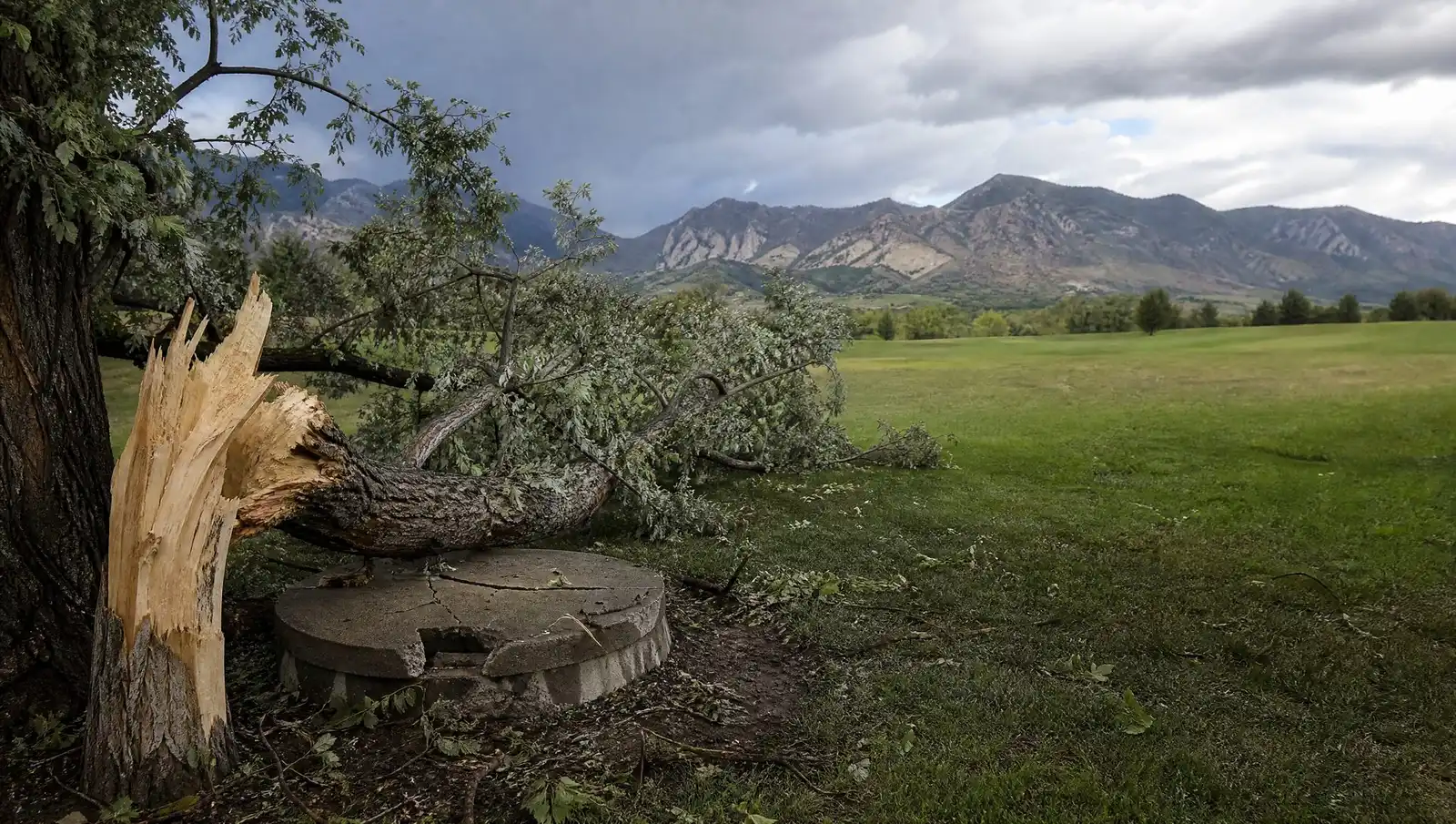
A realistic example is a homeowner whose septic line is damaged by a covered storm-related event and whose policy covers that kind of sudden physical damage. In that situation, there may be a real claim path depending on the policy language and deductible.
Another common example is a homeowner whose septic system backs up after years without pumping or because the field has gradually failed. That kind of loss is much less likely to be covered because it looks like maintenance or wear, not a sudden insured event.
What mistakes do homeowners make with septic insurance questions?
The most common mistake is assuming that if the septic system is part of the property, every failure should be covered by homeowners insurance. Coverage usually depends more on the cause of loss than on whether the septic system is attached to the home.
Another mistake is assuming a sewer or septic backup inside the house is automatically covered under a standard homeowners policy. In many cases, water-backup protection must be added separately.
Red flags to watch for
Be cautious if nobody has identified the cause of the septic problem, if the policy details about water backup or service lines are unclear, or if the system has a long history of deferred maintenance. It is also worth slowing down if you are comparing internet advice to a policy that you have not actually reviewed.
A useful insurance answer should be tied to the policy and the cause of loss, not just to the word “septic.”
What is the best next step if you are unsure about coverage?
The best next step is to read the policy declarations and endorsements, then ask the insurer or agent how the claim would be handled based on the actual cause of the damage. That usually gives a more reliable answer than a generic yes-or-no article.
If you want the wider picture of what a septic system needs over its life, our septic services page lays out the full scope of work we handle.
Final takeaway
Homeowners insurance may cover septic damage when a covered peril causes sudden loss, and a water-backup endorsement may help with certain backup-related damage inside the home. But most septic repairs or replacements caused by age, wear, neglect, or gradual failure are usually not covered.
If you are dealing with the repair side now, start with our septic system repair page.