
This guide is part of Septic Problems and Diagnostics. For the service itself, see our full range of septic services.
A sewage smell or wet ground near the septic area usually means wastewater is not staying underground and moving through the system the way it should. Sometimes the cause is an overdue tank or a clogged line, but these outdoor signs can also point to drain field stress, surfacing effluent, or another septic problem that needs more than routine maintenance.
Surfacing effluent Surfacing effluent is partially treated wastewater that reaches the ground surface instead of soaking into and being treated by the soil below the drain field.
When effluent surfaces, the system is no longer dispersing wastewater as intended, which is why odor and soggy ground are treated as septic warning signs rather than lawn drainage problems.
If you are dealing with active septic symptoms, you can review our septic system repair page here. If you want the symptom itself explained in more detail, our sewage smell in the yard page walks through what that odor usually indicates.
What does a sewage smell or wet yard near the septic area usually mean?
A sewage smell or persistently wet patch near the septic tank or drain field usually means the system is overloaded, restricted, or not treating and dispersing wastewater normally. Those outdoor symptoms are common warning signs of septic malfunction and should be taken seriously, especially when they show up during dry weather.
The key point is that a healthy septic area should not smell like sewage and should not stay soggy without another obvious explanation. When those signs are present, the issue is usually bigger than normal lawn drainage.
| Outdoor warning sign | What it can mean | When septic is more likely | What else can look similar |
|---|---|---|---|
| Sewage odor near the tank or drain field | Gas or wastewater is escaping where it should not | More likely when the smell is persistent and strongest near the septic area | A dry plumbing trap can cause an indoor odor but it usually does not explain a yard smell |
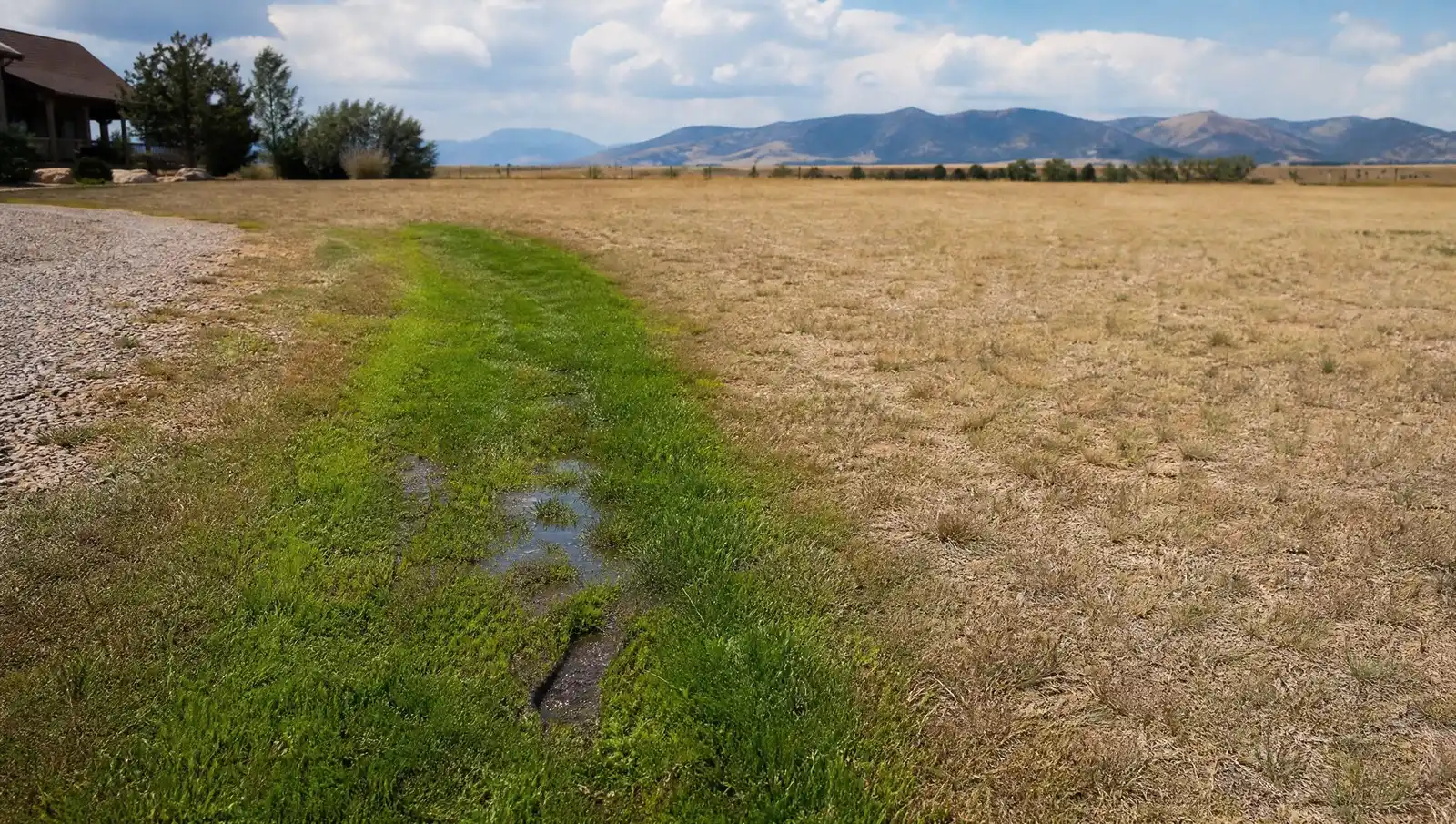
| Wet or soggy ground in dry weather | Effluent may be surfacing or the drain field may be overloaded | More likely when the patch lines up with the septic area | Irrigation leaks or poor yard drainage |
| Bright green or unusually lush grass | Extra moisture and nutrients may be reaching the surface | More likely when it appears over the septic area during dry periods | Fertilizer patterns or natural low spots |
| Odor plus slow drains or gurgling inside | Septic system stress is affecting both inside and outside symptoms | More likely when several fixtures are involved | A main-line issue can overlap with septic symptoms |
| Standing water or surfacing sewage | The system may be failing to disperse effluent properly | Very likely when the area also smells bad | Stormwater ponding though septic remains a concern if odor is present |
The strongest clues usually come from the combination of symptoms, not just one sign by itself.
Is it normal for a septic yard to smell sometimes?
No. A septic area should not normally produce a noticeable sewage smell in the yard. Temporary odor can happen around service work or if a lid is open, but recurring or persistent odor near the septic tank or drain field is a warning sign.
That is why yard odor should not be dismissed as part of owning a septic system. It usually means the system needs attention.
Why would the ground stay wet over the septic area?
Ground that stays wet near the septic area can mean effluent is not moving through the soil as intended. That may happen because the tank is overdue, the line is restricted, the drain field is saturated, or the soil treatment area is not accepting wastewater properly.
Wet ground matters even more when it appears during dry weather. Rain or irrigation can complicate the picture, but a persistent wet spot with odor is a stronger warning sign of septic trouble. Our page on a wet spot over the leach field covers that specific pattern.
Does unusually green grass over the septic area matter?
Yes. Bright green, lush, or spongy grass over the septic area can mean the soil is receiving extra moisture and nutrients from wastewater. This is one of the classic field signs that public-health guidance associates with septic malfunction.
By itself, greener grass is not always enough to diagnose the problem. When it appears with wetness or odor, though, it becomes a much more meaningful clue.
Could the problem still be something smaller than a major repair?
Yes. In some cases, the issue can still begin with something smaller, such as an overdue tank or a blockage that is pushing stress back through the system. That is why pumping or troubleshooting may still be part of the next step.
The important boundary is that outdoor wetness and sewage odor should not be treated like a guaranteed routine-maintenance issue. They are signs to evaluate the system promptly instead of assuming a pump-out will solve everything.
Use this checklist to decide whether the problem needs quick attention:
- The yard smells like sewage near the septic tank or drain field.
- The ground is wet, mushy, or soggy during dry weather.
- Grass over the septic area looks brighter green than the surrounding lawn.
- Slow drains or gurgling are happening inside the house too.
- It has been several years since the septic tank was pumped.
- The wet area seems to be growing or returning repeatedly.
If the tank is clearly overdue for routine service, you can review our septic tank pumping page here.
When is pumping the right next step?
Pumping can be the right next step when the tank is overdue and the symptoms suggest solids buildup is part of the problem. If the service history is unknown or it has been years since the last pump-out, routine maintenance may still be part of the solution.
Pumping is not a guaranteed fix for yard odor or wet spots, though. If the drain field is stressed or effluent is surfacing, the system may need inspection, troubleshooting, or repair as well.
When do wet spots and odor point beyond routine maintenance?
They point beyond routine maintenance when the yard stays wet, the smell is persistent, the symptoms continue after pumping, or wastewater appears to be surfacing. Those signs can indicate drain field trouble, component failure, or a system that is no longer dispersing effluent properly. Our page on effluent surfacing from a septic system explains what that looks like on the ground.
At that point, the goal is not just to empty the tank. It is to figure out why wastewater is reaching the surface or producing odor outdoors.
| Situation | Most likely first step | Why | What it does not rule out |
|---|---|---|---|
| Tank is overdue and outdoor signs are mild | Pumping plus evaluation | Routine maintenance may still relieve system stress | Further repair if symptoms continue |
| Wet yard appears during dry weather and smells like sewage | Inspection or repair-focused evaluation | Surface effluent suggests a bigger system problem | Pumping as one part of the response |
| Odor outside plus multiple slow drains indoors | Troubleshooting and septic evaluation | Both indoor and outdoor symptoms point to system-level trouble | A blocked line before the tank |
| Symptoms return soon after pumping | Repair-focused diagnosis | A simple full-tank explanation is less likely | Another hidden restriction in the system |
What does this look like in real life?
A realistic example is a homeowner in Broomfield who notices a damp patch over the septic area after several dry days, along with a faint sewage smell in the yard. The tank is several years overdue for pumping, so a maintenance visit may still be appropriate, but the outdoor symptoms make it important to evaluate whether the issue goes beyond solids buildup.
Another common example is a homeowner in Castle Rock who has already had the tank pumped but still sees a soggy area and strong odor near the drain field. That pattern points more strongly toward a field or component problem than toward routine maintenance alone.
What mistakes do homeowners make with sewage odor or wet spots?
The most common mistake is assuming the issue is only yard drainage or only a temporary smell. That can delay the right septic response until the wet area grows or wastewater starts surfacing more clearly.
Another mistake is assuming pumping will always fix the problem. Pumping is important when the tank is overdue, but it does not correct a failing drain field or every type of septic restriction.
Red flags to watch for
Be cautious if the wet area appears during dry weather, if the yard smells strongly like sewage, if multiple indoor fixtures are also slow, or if the symptoms return soon after service. It is also worth moving quickly if anyone has seen actual wastewater surfacing in the yard.
Those are signs to stop monitoring and start diagnosing.
What should you do next if the yard smells like sewage?
The best next step is to reduce water use, avoid pushing more wastewater into the system, and have the septic system evaluated before the problem gets worse. Outdoor septic warning signs are usually easier to address early than after they turn into a backup or larger field failure.
Odor is one symptom among many, and our septic services page covers the full range of work behind them.
Final takeaway
A sewage smell or wet yard near the septic area is usually a warning sign that the system is overloaded, restricted, or failing to treat and disperse wastewater properly. Sometimes the issue starts with overdue maintenance, but persistent odor, soggy ground, or surfacing effluent often point to a need for inspection or repair.
If the problem looks bigger than routine maintenance, start with our septic system repair page. We work out of Westminster as a family business and answer at 720-427-7557.