This guide is part of Septic Problems and Diagnostics. For the service itself, see our full range of septic services.
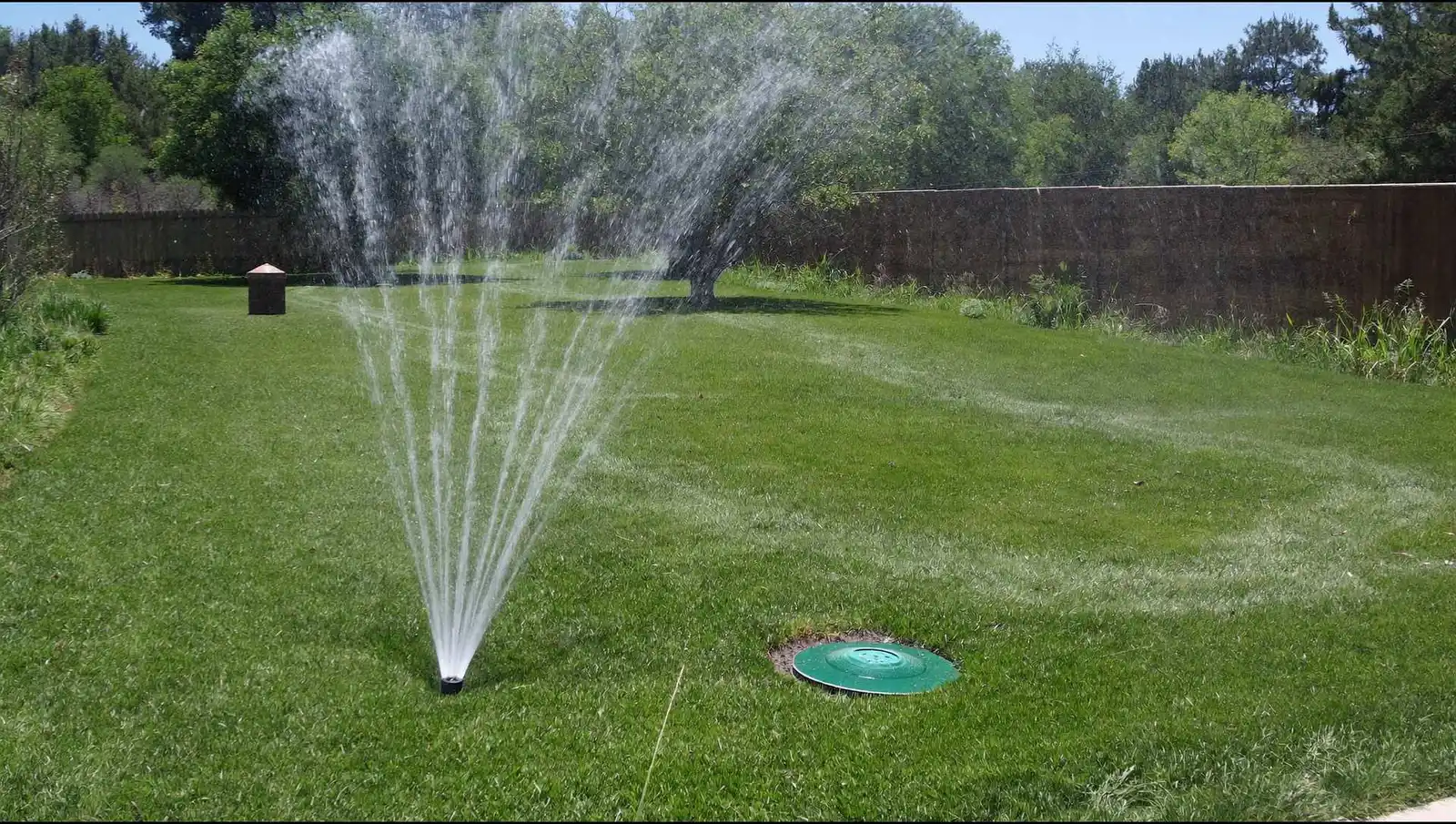
Yes, you can water the lawn over a septic drain field, but keep it light. A field treats effluent by moving it into soil that still has room, and a sprinkler zone that soaks the ground takes that room away. Here is how Affordable Septic Pumping recommends Denver area homeowners handle summer watering. It fits within our full range of septic services.
| Watering habit | Effect on the drain field | Better approach |
|---|---|---|
| Light watering to keep grass alive | Little effect when the soil dries between cycles | Water early and let the ground dry out |
| A sprinkler zone that runs long over the field | Soil stays saturated and stops taking effluent | Shorten or move the zone off the field |
| Sprinkler heads or lines inside the field | Constant water plus digging near the laterals | Route irrigation around the field |
| Downspouts or slope runoff aimed at the field | Storm water fills the soil before wastewater gets there | Redirect runoff away from the field |
| A leaking irrigation line nearby | A wet spot that looks like a septic problem | Fix the leak, then see if the spot dries |
Drain field A drain field, also called a leach field or soil treatment area, is the set of trenches or beds where effluent from the septic tank soaks into the soil and is treated before it reaches groundwater.
The soil does the treating. Soil that is already full of irrigation water cannot take effluent at the same time.
Why does extra water hurt a septic drain field?
Extra water hurts a septic drain field because the field depends on unsaturated soil. Effluent leaves the trenches and moves into the pore space around them. When sprinklers or runoff have already filled that space, the effluent has nowhere to go. It backs up in the lines, rises toward the surface, or pushes back into the tank.
It is the same problem that shows up after a wet spring, just caused by a hose instead of the sky. Our guide to heavy rain and snowmelt septic backups in Colorado explains how saturated ground pushes a working system into trouble. Our page on the leach field shows how the trenches and soil are laid out.
Clay soils along the Front Range make the margin smaller. Water moves through clay slowly, so a long watering cycle can keep the soil wet for a long time. A household that adds irrigation on top of heavy summer water use inside is asking the same field to handle both.
Is a wet spot over the drain field from sprinklers or from the septic system?
Turn the sprinkler zone off for several dry days and watch. A wet spot that dries out was likely irrigation. A spot that stays wet in dry weather, smells like sewage, or grows into bright green stripes over the trenches is more likely effluent. Slow drains inside the house at the same time make the septic system the stronger suspect.
- Wet ground during dry weather with the sprinklers off.
- A sewage odor that rises on warm days.
- Grass that grows greener and taller in stripes that follow the trenches.
- Drains that slow down and then improve after heavy water use stops.
- Soggy ground right over the tank or the distribution box.
Any of these is worth a closer look. Our page on a wet spot over the leach field covers the likely causes, and our earlier guide on why a yard smells like sewage near the septic system helps sort odor from moisture. If the wet ground follows a single trench, a settled box may be sending all the flow one way, as our guide to distribution box repair or drain field replacement explains.
Where should sprinkler heads and irrigation lines go around a septic system?
Sprinkler heads and irrigation lines belong outside the drain field and away from the tank. Trenching for irrigation can cut or crush a lateral, and a head inside the field puts water exactly where effluent needs room. Find out where the tank, lines, and field sit before an irrigation contractor starts digging.
- Find the tank, the lids, and the field layout first, using the county permit record or a locating visit.
- Mark the field edges with flags before anyone trenches.
- Run irrigation lines around the field, not across it.
- Set sprinkler heads so the spray pattern stays off the field.
- Point downspouts and surface runoff away from the field and the tank lids.
If nobody knows where the system is, our septic system locating and troubleshooting service finds and marks it. Keep deep rooted trees and shrubs off the field too, since roots follow water into the lines, as our page on roots in a septic line explains.
When is a wet drain field a septic problem, not a watering problem?
A wet drain field is a septic problem when it stays wet after the watering stops, smells like sewage, or comes with slow drains in the house. At that point the field is telling you it is not taking effluent. The next step is to have the tank pumped and the field evaluated before the wet area spreads.
A pump out removes the solids load and shows how fast liquid returns to the tank, which is a real test of the field. Our septic tank inspection in Denver looks at the tank, the baffles, and the field together. Field age matters too, and our guide on how long a septic system lasts in Colorado explains why the field usually wears out before the tank.
What to expect when you hire Affordable Septic Pumping
Hiring Affordable Septic Pumping to check a wet drain field follows a set order. We ask about the wet spot, the irrigation, and the last pump out. The crew locates the system, pumps and inspects the tank, walks the field, and tells you whether the cause is water from outside or effluent from the system.
- Call and describe the wet spot, when it shows up, and whether sprinklers reach it.
- We check the county record and ask when the tank was last pumped.
- The crew locates and opens the tank, pumps it, and checks the baffles and outlet.
- The field is walked for wet ground, odor, and settling, and the tank refill is watched.
- You get a plain answer on the cause and a separate quote if repair is needed.
Affordable Septic Pumping is family owned and operated in Westminster and has served Denver and the Colorado Front Range for more than twenty years. If the field needs work, our septic system repair in Denver page explains what that covers.
Get a wet drain field checked
Call Affordable Septic Pumping at 720-964-1034 if a wet spot over your drain field will not dry out with the sprinklers off. We serve homes across Denver and the Front Range from Westminster. You can also book through our septic tank inspection in Denver page.