This guide is part of Septic Problems and Diagnostics. For the service itself, see our full range of septic services.
A septic system is not something most homeowners think about until something goes wrong. But if you are buying a home, planning a major renovation, or dealing with recurring problems, one of the most practical questions you can ask is: how long should this last?
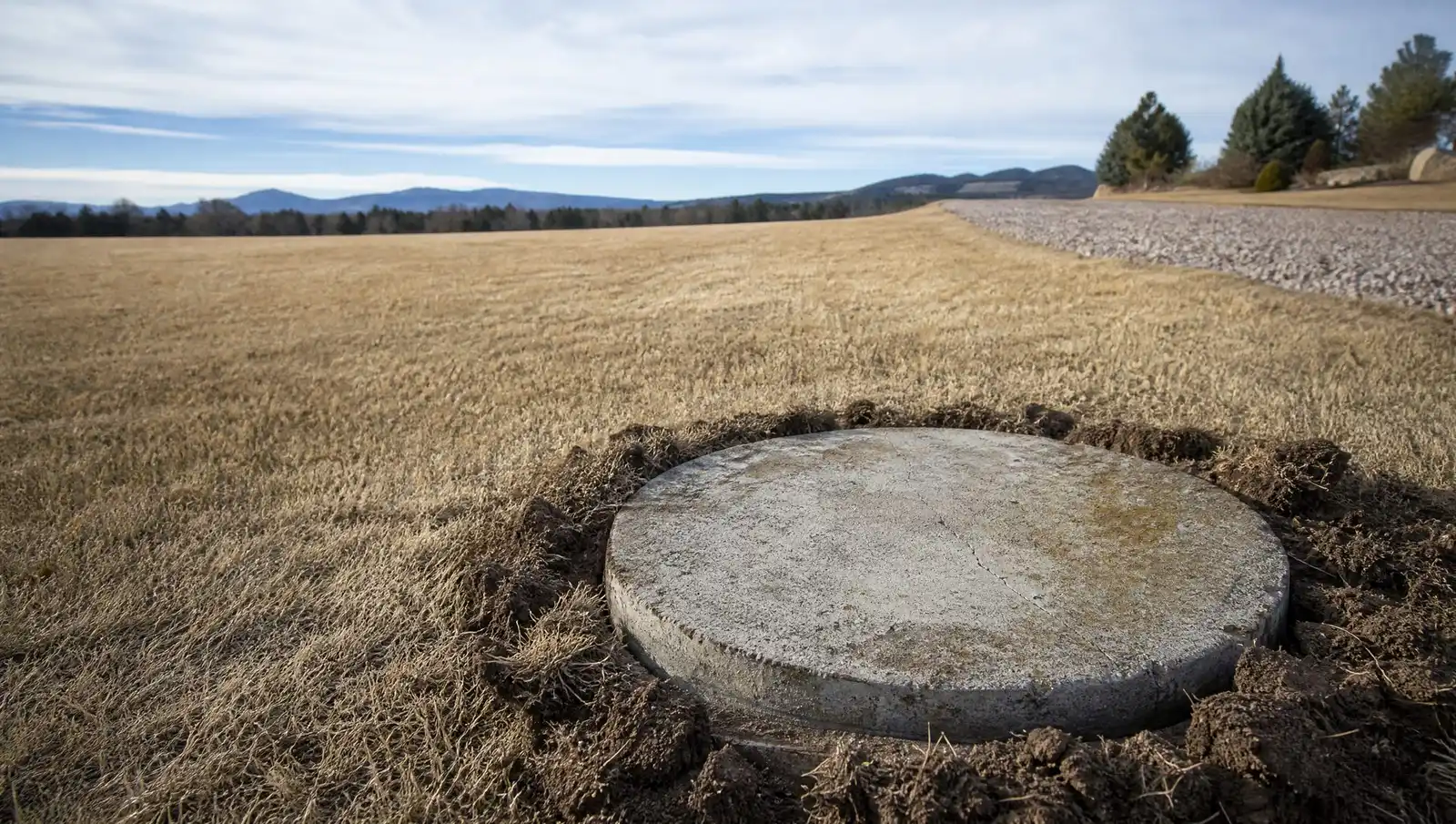
Conventional septic system A conventional septic system is a concrete or fiberglass tank paired with a gravity-fed drain field, where the tank settles solids and the field disperses effluent into the soil.
Lifespan expectations differ by system type, and a conventional system typically lasts 25 to 40 years when properly maintained while alternative systems have shorter mechanical lifespans for their components.
The answer depends on the type of system, how it was installed, how the household has used it, and whether it has been maintained. This guide walks through realistic lifespan expectations for septic systems in Colorado, the factors that shorten that lifespan, and the signs that tell you a system is nearing the end of its useful life.
Average Septic System Lifespan in Colorado
A conventional septic system, concrete or fiberglass tank with a gravity-fed drain field, typically lasts 25 to 40 years when properly maintained. That is the broad range you will see cited by Colorado state health departments and septic engineers. Where a specific system falls within that range depends heavily on maintenance history, soil conditions, household load, and the quality of the original installation.
The tank itself usually outlasts the drain field. Concrete tanks installed before the 1980s can develop cracks over time as the concrete cures and shifts, and older tanks may have steel baffles that corrode. Modern precast concrete tanks and fiberglass or polyethylene tanks hold up well and can last the full 40-year range or longer under normal conditions. The drain field is typically the limiting component, it can become saturated, compacted, or biologically clogged over time in ways that are not reversible without replacement. Our page on the leach field explains how that part of the system works.
Alternative systems, aerobic treatment units (ATUs), mound systems, and drip irrigation systems, have shorter mechanical lifespans for their components. Motors, pumps, aerators, and control panels in ATUs typically need servicing every 5 to 10 years and may need replacement at 15 to 20 years, even if the tank and drain field remain serviceable. These systems require more active maintenance than conventional gravity systems, and in Colorado, they require an ongoing service contract with a licensed operator.
| System type | Typical lifespan or service interval | Component that usually decides the timeline |
|---|---|---|
| Conventional system, concrete or fiberglass tank with a gravity-fed drain field | Typically lasts 25 to 40 years when properly maintained | The drain field is typically the limiting component |
| Modern precast concrete, fiberglass, or polyethylene tank | Can last the full 40-year range or longer under normal conditions | The tank itself usually outlasts the drain field |
| Aerobic treatment unit components, motors, pumps, aerators, and control panels | Servicing typically every 5 to 10 years, replacement possible at 15 to 20 years | Mechanical components, even if the tank and drain field remain serviceable |
What Shortens a Septic System's Life
The single biggest factor that shortens septic system life is lack of pumping. When a tank is not pumped on schedule, sludge accumulates past the outlet baffle and begins flowing into the drain field. Once solids enter the drain field, they clog the soil pores and biomat layer in ways that are extremely difficult to reverse. A drain field that has been damaged by excessive solids loading may fail years, sometimes decades, before it otherwise would have.
Flushing the wrong materials accelerates this process. Wipes labeled “flushable” do not break down in a septic tank. Feminine hygiene products, paper towels, grease, and household chemicals all add load or interfere with the bacterial activity the tank depends on. Our post on what should never be flushed or poured down a septic system covers the most common offenders in detail.
Water overload is another underappreciated factor. A tank and drain field are sized for the expected daily water use of a household. Adding occupants, running multiple laundry loads in a single day, or having leaky fixtures that run continuously pushes more water through the system than it was designed to process. Over time, a chronically overloaded drain field becomes saturated and stops percolating. This is especially relevant in Colorado's clay-heavy soils, which have lower percolation rates than sandy soils and are less forgiving of volume spikes.
Physical damage from vehicles, heavy equipment, or construction activity over the drain field can crush laterals, compact the soil, and destroy the percolation capacity. Drain fields should never have vehicles driven over them, and no structures, sheds, patios, additions, should be built above them. Tree roots from nearby trees can also intrude into pipes and the tank itself over time, causing blockages and structural damage.
Signs a Septic System Is Nearing End of Life
Some signs point to maintenance needs; others point to a system that is declining structurally. The distinction matters because maintenance can extend a system's life, but structural decline typically cannot be reversed. The key signals that a system may be approaching end of life include drain field saturation that does not resolve after pumping, surfacing effluent in the yard even when the tank is not overdue, and recurring backups that happen more frequently despite regular service. Our page on drain field failure signs lists what to watch for.
Wet spots or unusually green grass over the drain field area, especially outside of rainfall periods, suggest the field is releasing effluent at the surface rather than absorbing it. The post on why a yard smells like sewage or stays wet near the septic area goes into more detail on what those symptoms typically indicate and when they warrant a closer inspection.
A tank that was installed more than 30 years ago should be assessed carefully, particularly if you are buying the home or planning significant changes to household use. A video inspection of the tank interior and drain field inlet can identify structural problems, baffle condition, and early signs of field saturation before they become a full failure. Our septic tank inspection page covers what that type of inspection includes.
Repair vs. Replacement: How to Tell Which You Are Facing
Not every aging system needs full replacement. Some problems, a failed baffle, a cracked lid, a broken distribution box, are repairs that can extend a system's useful life by years. Others, like a failed drain field or a tank with significant structural cracking, are replacement decisions. Understanding where a problem falls on that spectrum is one of the more important conversations to have before authorizing work. Our septic system repair page covers the repair side of that work.
Our post on septic repair vs. replacement in Colorado walks through the signs that distinguish a fixable problem from one that has crossed into replacement territory. And if you are trying to understand what replacement actually costs, the posts on drain field replacement cost and full septic system installation cost in Colorado break down what drives those numbers.
How Maintenance Extends Lifespan
The most reliable way to get 35 to 40 years from a septic system rather than 20 is consistent pumping. Most Colorado households on septic should pump every three to five years. A smaller tank, a larger household, or heavy use can push that to every two to three years. Knowing your tank's capacity and current sludge level takes the guesswork out of timing, our post on how often to pump a septic tank in Colorado covers how those factors interact.
Beyond pumping, water conservation habits matter. Spreading laundry loads across the week rather than doing five loads in a single day, fixing leaky faucets and running toilets promptly, and using water-efficient fixtures all reduce the daily hydraulic load on the drain field. These are low-cost habits that compound significantly over a system's lifespan.
Keeping accurate records of service history also pays off. When a technician notes observations at each pump-out, baffle condition, sludge depth, any visible concerns, you have a documented baseline. Trends across multiple visits are far more informative than a single snapshot, and having records available when you sell the home, file an insurance claim, or discuss options with an engineer saves time and supports your case.
Questions to Ask About a System You Are Inheriting
If you are buying a home with a septic system, four questions tell you most of what you need to know about its condition and remaining life: When was it last pumped? What type of system is it? Has it had any repairs, and if so, what? And are there any records, permits, inspection reports, service history?
Finding permit records is often easier than homeowners expect. Our post on how to find septic records in Adams, Jefferson, Arapahoe, and Douglas Counties walks through the county-by-county search process. Those records typically show the original install date, system type, and tank size, exactly what you need to put an age and context on what you are looking at.
If the records are unavailable or incomplete, a pre-purchase inspection is worth the cost. Knowing whether you are buying a system with 20 years of life left or one that is already showing signs of drain field stress is information that belongs in a purchase decision, not a surprise after closing.
Frequently Asked Questions
Talk to a Professional
If your system is over 20 years old, showing any symptoms, or you are simply not sure of its history, Affordable Septic Pumping can help assess where things stand. A pump-out combined with a visual inspection gives you current information about the tank's condition, baffle integrity, and any early warning signs worth watching.
We serve the Denver metro area and Front Range. Call 720-427-7557 or visit our septic services page to learn what a professional assessment includes.